Making the Most of Your Solar Investment
If you've already gone solar, you're enjoying the benefits of clean, renewable energy during daylight hours. But what happens when the sun sets? That's when many Australian families find themselves drawing power from the grid during peak evening hours—when electricity rates are at their highest. This is where battery storage comes into play, offering a practical solution that can fundamentally change how you manage your home's energy needs.
Battery storage systems capture the excess solar energy your panels generate throughout the day, storing it for use during evening hours or when clouds roll in. Rather than sending unused electricity back to the grid, you're keeping that power for yourself, significantly reducing your reliance on grid electricity and protecting yourself from the rising costs of peak-hour consumption.
The Case for Home Battery Storage
There are compelling reasons why more Australian homeowners are investing in battery storage alongside their solar systems. Beyond the obvious financial benefits, a quality battery system provides genuine peace of mind.
During the evening peak period—typically between 4 PM and 9 PM—electricity prices skyrocket. This is when families are cooking dinner, charging devices, running air conditioning, and using multiple appliances simultaneously. By drawing power from your battery during these hours instead of the grid, you're directly controlling your energy costs.
There's also the security aspect. If you live in an area prone to blackouts or experience unexpected power failures, a battery system keeps essential appliances running. Your fridge remains cold, your lights stay on, and your family stays safe and comfortable when everyone else is in the dark.
Kurt's Journey to Energy Independence
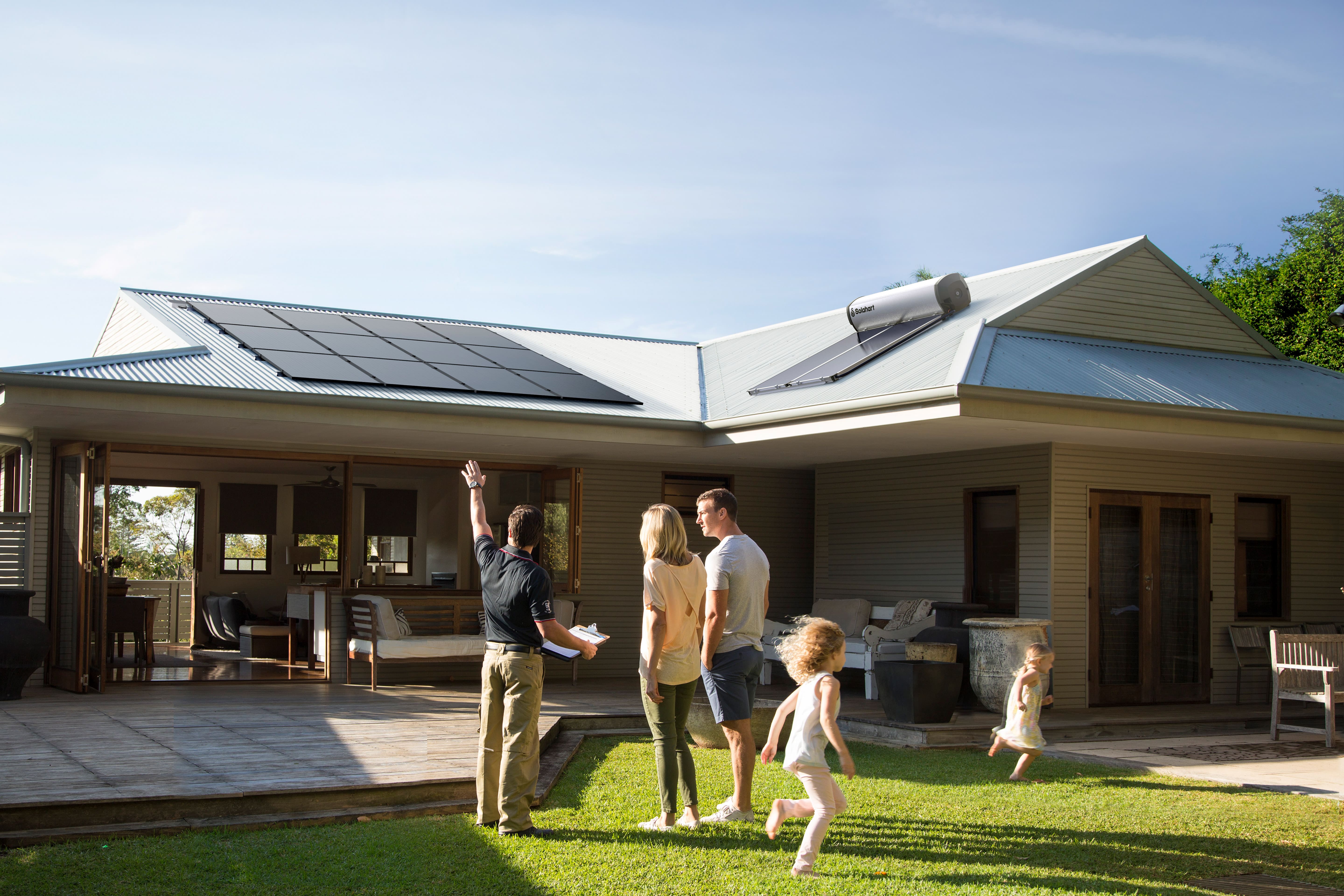
Kurt and his family live in Victoria, an area where blackouts were unfortunately common. Between growing concerns about rising electricity costs and the frustration of unreliable power supply, they knew something had to change. "Where we live, we experience a lot of blackouts," Kurt explains. "Combined with the rising cost of power, we thought solar panels and battery storage made the most sense for reducing our electricity bills."
The Solahart team assessed their property, analysed their energy consumption patterns, and recommended a SolarEdge Energy Bank Home battery system tailored to their specific needs. This wasn't a one-size-fits-all approach—the recommendation was based on careful consideration of how the family actually uses electricity throughout the day and night.
Understanding the Numbers Behind Battery Storage
Kurt's system includes some impressive specifications that demonstrate what modern battery technology can achieve. The SolarEdge Energy Bank offers 9.7 kWh of storage capacity with 94.5% round-trip efficiency. This efficiency rating is particularly important because it tells you how much of the battery's total capacity is actually usable. In Kurt's case, the system can reliably deliver 9.16 kWh of stored energy before needing to recharge—this careful engineering extends the battery's lifespan significantly.
For those thinking about expanding their energy storage in the future, the system is designed to grow with your needs. Up to three batteries can operate in parallel on a single inverter, giving you the flexibility to increase capacity down the track without replacing your original investment.
Peace of mind also comes standard, with comprehensive 10-year product and performance warranties protecting your investment.
Real-World Results That Matter
What about the actual savings? Solahart estimated that battery storage could reduce Kurt's energy bills by approximately 50%, but he wanted to see it proven. "The energy savings that Solahart estimated we would make was about half—around 50%," Kurt says. "We're definitely hitting that target, and honestly, we're performing even better now with the battery in place."
A 50% reduction in energy bills isn't just a number on a spreadsheet—it's a meaningful change that impacts monthly household finances year after year. When you consider that this benefit typically grows as electricity rates increase, the long-term value becomes even more apparent.
Support That Makes a Difference
Installing a battery system is only the beginning. Kurt emphasises the importance of ongoing support: "Cameron, our Solahart consultant, is always just a phone call away. He checks in with us annually and was instrumental when we were deciding to add the battery. He walked us through all the data, showed us detailed graphs and figures, and confirmed that our home was genuinely suited to battery storage."
This kind of personalised support matters. It's the difference between owning a system and truly understanding how to maximise it. A good consultant becomes a resource you can rely on, helping you interpret your energy data and make informed decisions about future upgrades.
Why Battery Storage Makes Sense for Australian Homes
For Australian homeowners, battery storage represents more than just a way to cut electricity bills. It's about taking control of your energy future, reducing your environmental footprint, and gaining protection against blackouts and rising energy costs. Whether you're already a solar user looking to maximise your investment or considering renewable energy for the first time, battery storage offers tangible benefits that improve your daily life and your financial situation.
The technology has matured significantly, warranties are robust, and real families like Kurt's are proving every day that the investment pays for itself through genuine energy savings.